
Introduction: The Hidden Hazard in Our Midst
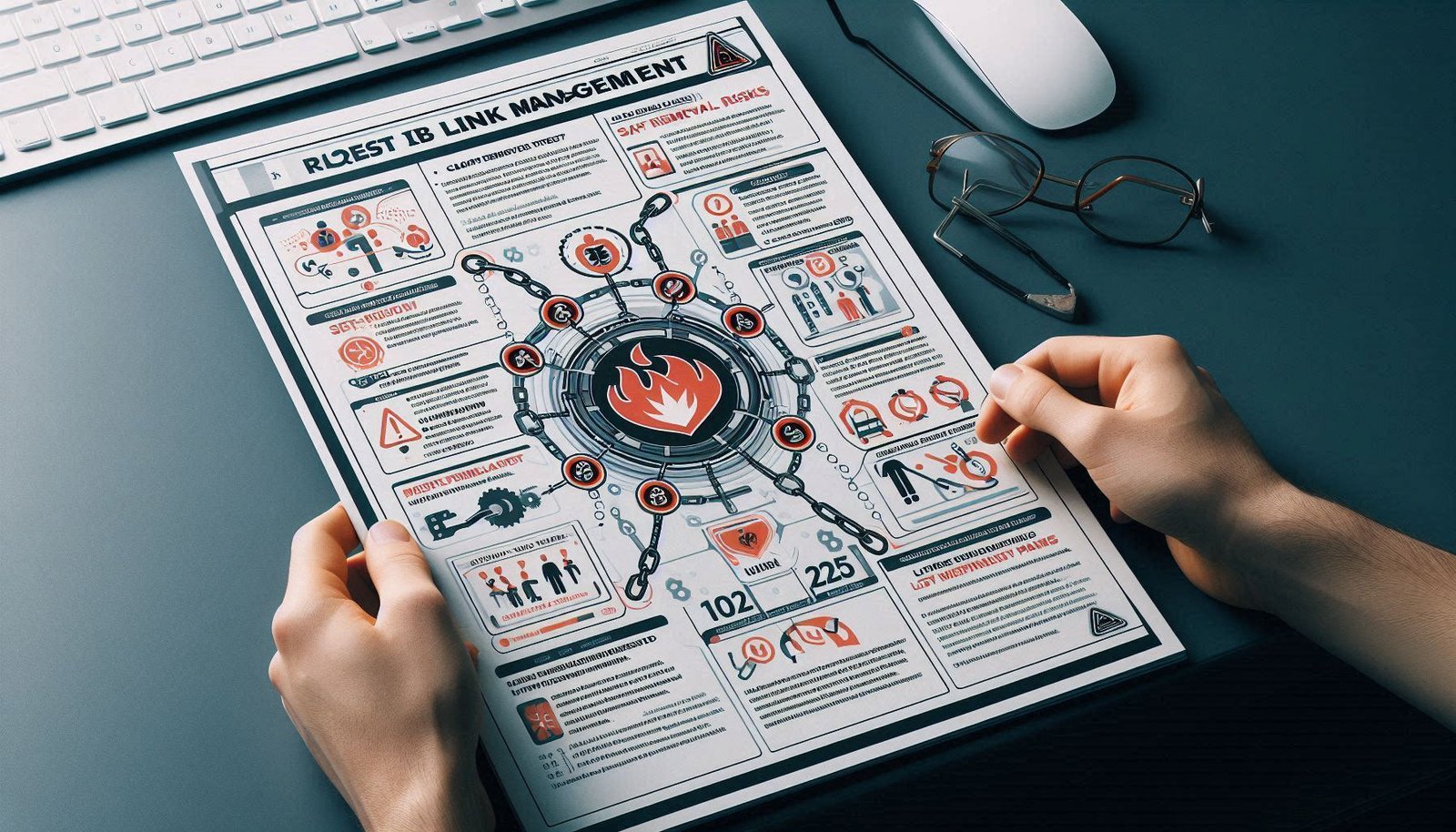
A shocking statistic from the World Health Organization frames a silent, global health crisis: asbestos exposure is linked to over 200,000 deaths annually, and despite being banned in over 60 countries, millions of tonnes of asbestos-containing materials (ACMs) remain in our built environment. Often hidden in plain sight, these materials pose a persistent risk during renovation, demolition, and even routine maintenance. Among the myriad forms of ACMs, one of the most common yet least understood is asbestlint—a Dutch-derived term translating to “asbestos felt.” This non-woven, fabric-like material, prized decades ago for its durability and fire resistance, is now a legacy liability in homes, industrial sites, and commercial buildings worldwide. This article serves as your definitive, human-centric guide to understanding, identifying, and safely managing asbestlint, blending critical health insights with modern strategic frameworks for risk mitigation.
Sommaire
- What is Asbestlint? A Technical and Historical Overview
- Composition and Common Forms
- Historical Use: Why Was It Everywhere?
- The Invisible Threat: Health Risks and Exposure Pathways
- The Mechanism of Damage: When Fibers Become Fatal
- High-Risk Scenarios and Vulnerable Populations
- Identifying Asbestlint: A Step-by-Step Guide for Property Owners
- Visual Indicators and Common Locations
- The Imperative of Professional Asbestos Surveys
- Comparing Modern Management Strategies for Asbestlint
- The “Leave and Manage” Strategy vs. The “Full Removal” Strategy
- Risk-Based Prioritization: An Agile Approach to Hazard Management
- What to Avoid: Critical Mistakes in Asbestlint Management
- The Professional Removal Process: A Stage-by-Stage Breakdown
- Stage 1: Pre-Work Planning and Legal Notification
- Stage 2: Containment and Control
- Stage 3: Removal, Cleaning, and Clearance
- Legal Framework and Duty of Care: Understanding Your Liabilities
- Real-World Use Cases: Asbestlint in Action
- Frequently Asked Questions (FAQ)
- References & Authority Sources
What is Asbestlint? A Technical and Historical Overview
Asbestlint, or asbestos felt, is a flexible, fabric-like material composed of asbestos fibers bonded with a rubber or resin-based compound. Unlike rigid asbestos cement sheets, its pliable nature made it exceptionally versatile for sealing, insulating, and fireproofing.
Pro-Tip: Never assume a material is safe based on age alone. While use peaked from the 1950s to the 1980s, asbestlint and other ACMs were used into the early 2000s in some regions and may be present in unexpected “hidden” layers.
- Composition and Common Forms: It typically contains chrysotile (white asbestos), though amosite (brown asbestos) is also found. It was manufactured in sheets, strips, and rolls, often with a bituminous or calico backing.
- Historical Use: Why Was It Everywhere? Its properties were seen as revolutionary: excellent thermal insulation, fire resistance, chemical stability, and acoustic damping. Common applications included:
- Gaskets in boilers, pipes, and electrical panels.
- Insulation wrap for pipes and ductwork.
- Fire blankets and curtains in commercial settings.
- Underlay for vinyl floor tiles and linoleum.
- Expansion joint packing in construction.
The Invisible Threat: Health Risks and Exposure Pathways
The danger lies not in the intact material, but in its potential to become friable—easily crumbled by hand pressure, releasing microscopic fibers into the air.
- The Mechanism of Damage: When inhaled, these needle-like fibers can penetrate deep into lung tissue. The body cannot effectively expel them, leading to chronic inflammation, scarring (asbestosis), genetic damage, and ultimately, cancers like mesothelioma and lung carcinoma. Diseases have latency periods of 20-50 years.
- High-Risk Scenarios: The highest exposure risk occurs during uncontrolled disturbance. This includes DIY renovations (sanding, drilling, tearing), maintenance work by untrained personnel, and accidental damage from water leaks or impact.
Identifying Asbestlint: A Step-by-Step Guide for Property Owners
Presumption is the first rule of asbestos safety. If a building was constructed or renovated before the year 2000, assume ACMs are present until proven otherwise.
- Visual Indicators: Asbestlint often appears as a grey, white, or buff-colored flexible sheet. It may be found wrapped around pipes, inside electrical fuse boxes, or as a backing on old floor coverings. However, visual identification is unreliable.
- The Imperative of Professional Surveys: A UKAS-accredited asbestos surveyor (or local equivalent) must take samples for Polarized Light Microscopy (PLM) or Transmission Electron Microscopy (TEM) analysis. This is the only way to confirm the presence, type, and concentration of asbestos fibers.
Comparing Modern Management Strategies for Asbestlint
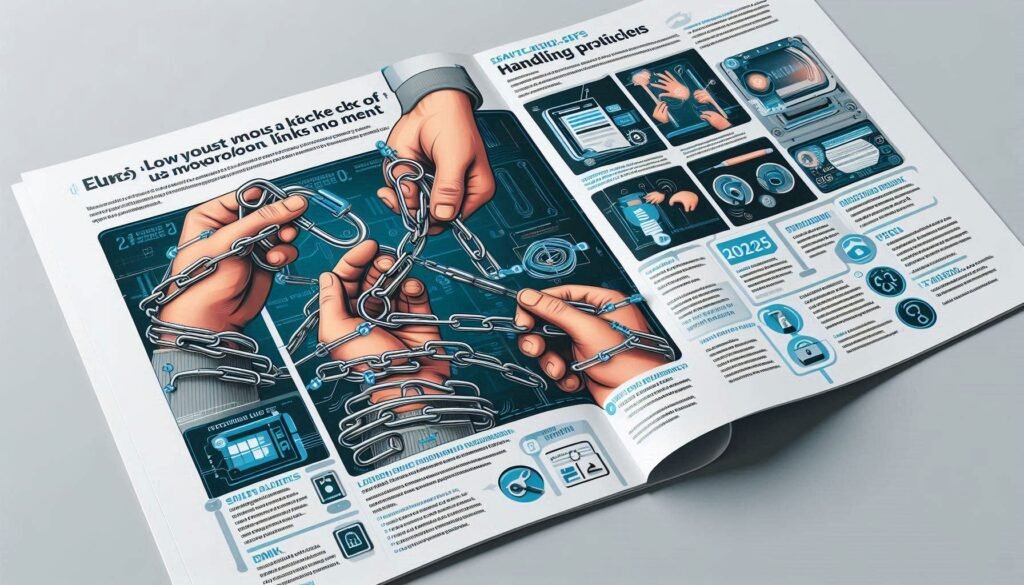
Once identified, a strategic decision must be made. This isn’t a binary choice but a spectrum of risk management, often framed by condition, location, and planned activities.
| Strategy | Core Philosophy | Best For | Key Actions | Pros | Cons |
|---|---|---|---|---|---|
| Leave & Manage (O&M) | Risk Containment. The material is safe if undisturbed and in good condition. Monitor and control access. | Non-friable, encapsulated asbestlint in good condition, in low-traffic/impact areas. | Register, label, implement a Management Plan, train staff, conduct periodic re-inspections. | Lower immediate cost, avoids high-risk removal work. | Permanent liability, requires ongoing budget/vigilance, risk of accidental disturbance. |
| Encapsulation / Enclosure | Risk Isolation. Physically seal or surround the hazard to prevent fiber release. | Asbestlint that is slightly damaged but otherwise accessible for sealing. | Applying a penetrating sealant or building a permanent, airtight barrier (e.g., a new wall). | Can be more cost-effective than removal, stabilizes the material. | Not a permanent solution; encapsulation can fail; enclosure reduces space; future work still requires removal. |
| Full Removal | Risk Elimination. Permanently removes the hazard from the premises. | Friable asbestlint, damaged material, or before major refurbishment/demolition. | Undertaken by licensed contractors following strict containment, removal, and disposal protocols. | Eliminates the hazard permanently, removes future liability, clears the way for safe renovation. | Highest immediate cost, highest short-term risk during the process, requires vacating premises. |
This strategic choice mirrors business management paradigms. The “Leave and Manage” approach is akin to a Traditional, Top-down strategy—it’s procedural, plan-driven, and relies on strict control and documentation. Full Removal is more akin to an Agile, outcome-driven strategy—it involves a short, intensive, cross-functional project (surveyors, contractors, hygienists) to deliver a definitive, hazard-free outcome. A modern Risk-Based Prioritization model, which assesses the material’s condition, accessibility, and likelihood of disturbance, allows for a hybrid, adaptive approach, much like an Agile framework applied to asset management.
What to Avoid: Critical Mistakes in Asbestlint Management
- DIY Sampling or Removal: Disturbing material to take a sample or attempting removal without training, licensing, and equipment is illegal in most jurisdictions and extremely hazardous.
- Assuming “Low Risk” Means “No Risk”: Even non-friable asbestlint can become dangerous if damaged. Complacency is a primary cause of exposure.
- Using the Wrong Contractor: Always verify asbestos removal licensing and insurance. A general contractor is not qualified for licensed asbestos work.
- Neglecting the Management Plan: If you choose to manage in situ, a paper plan is worthless without active implementation, communication, and re-inspection.
- Improper Disposal: Asbestos waste is hazardous waste. It must be double-bagged in approved red labeled bags and taken to a licensed disposal facility. Illegal dumping carries severe penalties.
Pro-Tip: When obtaining quotes for removal, the cheapest option is rarely the best. Scrutinize the methodology, containment plans, and clearance procedures. Your health and legal compliance are not areas for cost-cutting.
The Professional Removal Process: A Stage-by-Stage Breakdown
Understanding the removal process underscores why professionalism is non-negotiable.
- Stage 1: Pre-Work Planning & Notification: A detailed plan (work plan, method statement) is created. In many regions, the work must be notified to the relevant health and safety regulator (e.g., HSE in the UK) at least 14 days in advance.
- Stage 2: Containment and Control: The work area is sealed with polyethylene sheeting to create a negative pressure enclosure. Air is continuously extracted through HEPA filters to prevent fiber escape. Workers don PPE (air-fed respirators, disposable coveralls).
- Stage 3: Removal, Cleaning, and Clearance: The material is carefully removed, kept wet to suppress dust, and immediately sealed in waste bags. After removal, a meticulous multi-stage cleaning occurs. Finally, an independent air test is conducted by a separate accredited hygienist. Only after passing the clearance test is the enclosure dismantled.
Legal Framework and Duty of Care
Legally, the duty holder (e.g., building owner, landlord, facility manager) has a non-delegable duty of care to manage asbestos risk. This involves:
- Finding out if ACMs are present.
- Presuming materials contain asbestos unless strong evidence otherwise.
- Assessing the risk from any ACMs.
- Recording the location and condition in an asbestos register.
- Managing the risk actively via a written plan.
- Reviewing and updating the plan regularly.
Failure can result in unlimited fines, imprisonment, and civil liability for exposing others to risk.
Real-World Use Cases: Asbestlint in Action
- Use Case 1: The Residential Renovation. A family buys a 1970s bungalow. Before knocking down a kitchen wall, they commission a refurbishment and demolition survey.
- Use Case 2: The Industrial Facility. A manufacturing plant’s annual asbestos re-inspection notes that asbestlint gaskets in an old boiler room are intact but accessible.
- Use Case 3: The Commercial Office Refurb. During a ceiling upgrade in an office, contractors discover asbestlint backing on ceiling tiles. Work stops immediately.
Pro-Tip: Always include an asbestos survey clause in property purchase contracts. It allows for renegotiation or withdrawal if significant, costly asbestos is found, protecting your investment.

Frequently Asked Questions (FAQ)
Q1: How can I tell if a material is asbestlint?
A: You cannot identify it by sight alone. Suspect materials in pre-2000 buildings should be tested by an accredited asbestos surveyor using laboratory analysis.
Q2: Is it illegal to have asbestos in my home?
A: No, it is not illegal to have asbestos in place. However, it is illegal to disturb it improperly or to dispose of it as regular waste. The duty is to manage the risk.
Q3: What should I do if I accidentally drilled into asbestlint?
A: Stop immediately. Gently seal the hole with tape. Isolate the area, avoid dust, and contact a licensed asbestos contractor for advice and remediation. Do not use a vacuum cleaner.
Q4: How much does asbestos removal cost?
A: Costs vary widely based on quantity, accessibility, and location. A small job may cost a few hundred dollars/pounds, while large-scale removal can run into tens of thousands. Always get multiple quotes from licensed contractors.
Q5: What is the difference between friable and non-friable asbestos?
A: Friable asbestos can be crumbled by hand pressure, posing a high risk of fiber release (e.g., loose insulation). Non-friable (bonded) asbestos is mixed with a bonding agent (e.g., asbestos cement) and is lower risk unless sanded, cut, or damaged.
Q6: How long does professional asbestos removal take?
A: A small, contained removal might take a day, plus setup and clearance. Larger projects can take weeks. The critical factor is the mandatory clearance air testing, which adds time.
Q7: Does home insurance cover asbestos removal?
A: Typically, standard home insurance does not cover asbestos removal, as it’s considered a maintenance issue. Some policies may cover removal if it’s a direct result of a covered peril (e.g., a storm damaging ACMs). Check your policy.
Q8: What are the qualifications I should look for in an asbestos contractor?
A: Require a current asbestos removal license from the national regulator (e.g., HSE in the UK, state-level licenses in the US), valid insurance, and references. They should provide a detailed method statement.
Q9: Can I clean asbestos contamination myself?
A: Absolutely not. Cleaning after disturbance requires specialized HEPA vacuuming and wet-wiping techniques by trained personnel. Improper cleaning will spread contamination.
Q10: Where can I find my country’s asbestos regulations?
A: Start with your national workplace health and safety authority (e.g., HSE.gov.uk, OSHA.gov, SafeWork Australia). They provide comprehensive guides for homeowners and duty holders.
