
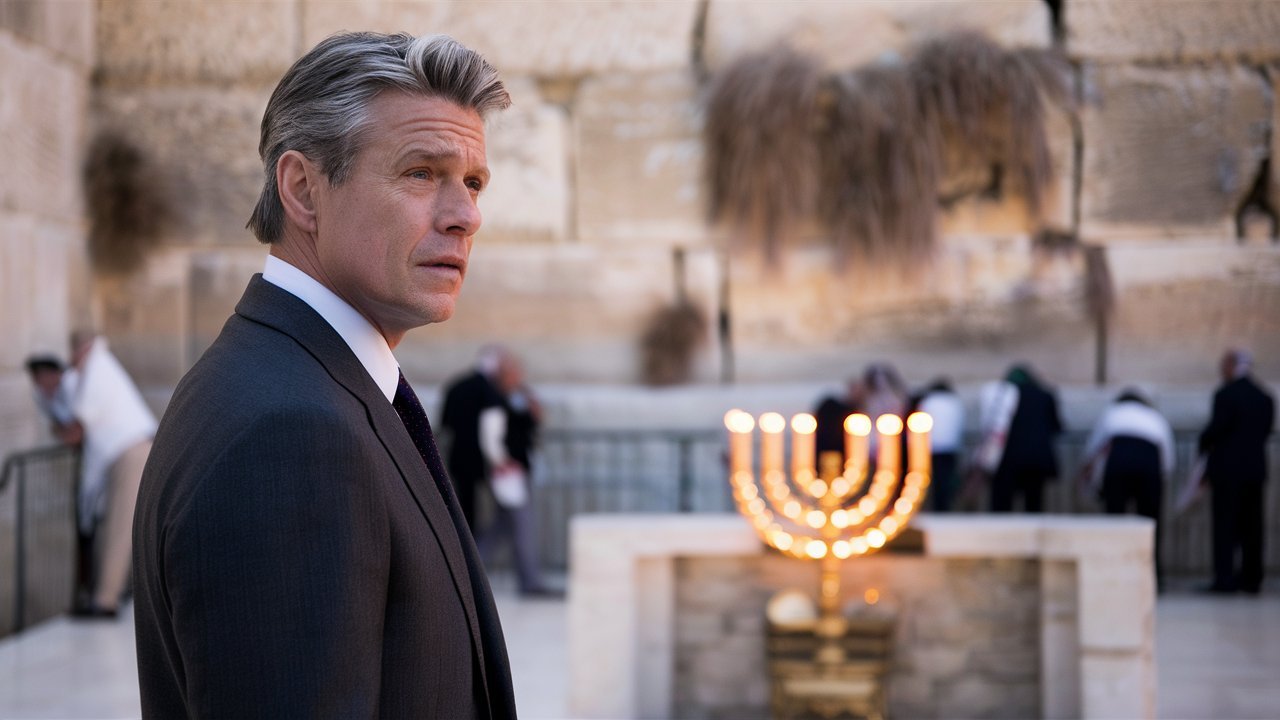
In October 2023, Gavin Newsom, Governor of California, embarked on a highly publicized trip to Israel — a journey that included a deeply symbolic visit to the gavin newsom western wall. This brief but momentous visit was not merely a photo opportunity; it represented a powerful statement of solidarity amid a times of conflict, loss, and global scrutiny. In this article, we explore the multifaceted significance of Newsom’s visit: politically, socially, culturally — and what it might mean for his future ambitions. We examine the context, the reactions, the symbolism of the Western Wall in this scenario, and the ripples it may send through international discourse and domestic politics.
The Context Behind Newsom’s Israel Visit
Governor Newsom’s trip to Israel came at a turbulent time in the Middle East. In the wake of a devastating attack by Hamas on October 7, 2023 — which killed and kidnapped many civilians — the region plunged into intense conflict. Newsom’s visit was officially framed as a mission of solidarity. According to the official statement from his office, he met survivors, impacted families, and even Californians who had been wounded or taken hostage.
Newsom described the scenes he witnessed in Israel as harrowing — reports indicate he saw distressing visual evidence of the carnage, a stark confrontation with human suffering that he said “connects to an understanding … not intellectual any longer.”
While his primary objective may have been solidarity and humanitarian empathy, the trip also carried unmistakable political weight — domestically and internationally. For a U.S. governor whose career increasingly flirts with national prominence, this kind of bold foreign visit positions him as more than a state-level politician.
Why the Western Wall Is a Powerful Symbol
The Western Wall is one of the most sacred and symbolic sites in Jerusalem — and indeed, the world. It is revered not only for its religious importance to Jews but also for what it represents in the broader tapestry of Middle Eastern history: memory, resilience, identity, and conflict. A visit to the Wall by any foreign dignitary inevitably resonates beyond the immediate act; it suggests recognition, respect, and — in turbulent times — solidarity with those who identify with its weighty heritage.
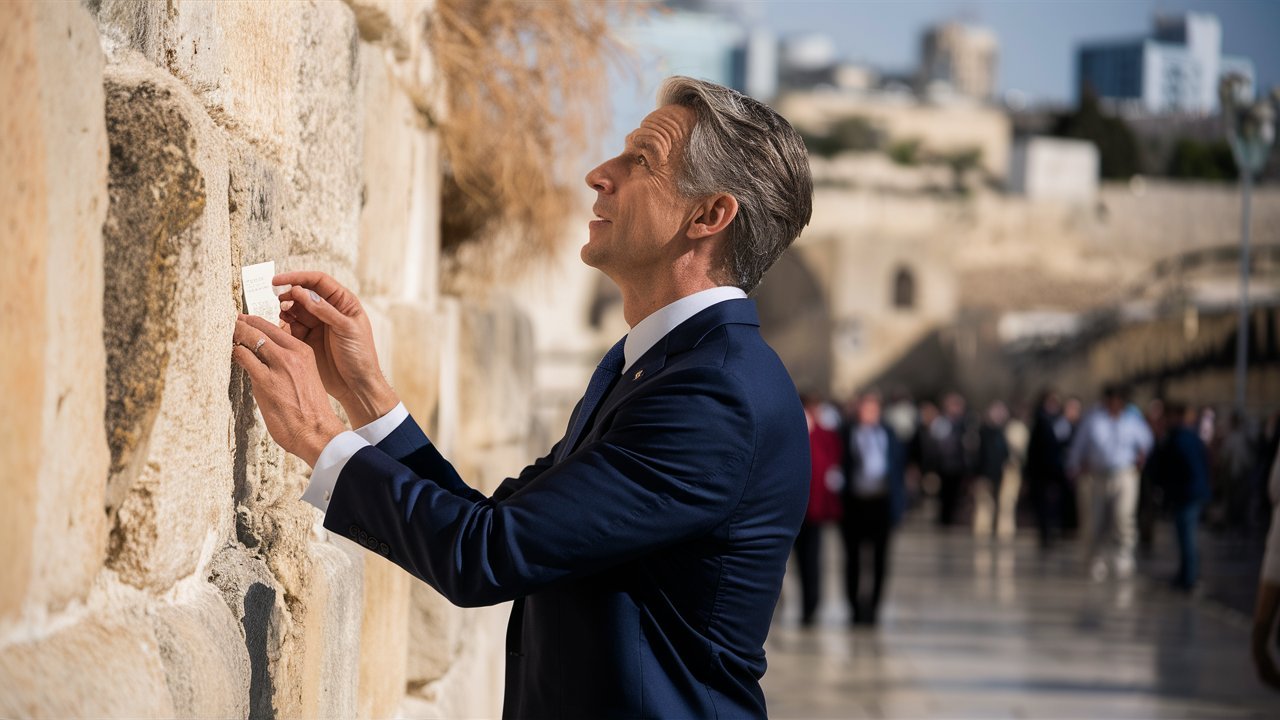
When Newsom visited the Western Wall, the act itself carried deep meaning. It was a visible sign that a prominent American official stands in support of Israel and its people amid tragedy. Given the recent violence at the time, his presence at the Wall conveyed empathy to victims, reaffirmed alliances, and underlined a serious moral and political posture.
Moreover, the Western Wall stands at the crossroads of religion, history, and geopolitics. For Newsom — a U.S. governor — to enter that space was to signal that California, and by extension many Americans, recognize the grief and the holy significance of the moment. Such symbolism carries enormous weight in public diplomacy: even a one-day visit can echo far beyond its duration, shaping perceptions, alliances, and international relationships.
What Newsom’s Visit Meant — Politically and Socially
Strengthening U.S.–Israel Ties (from a State-Level)
Though governors traditionally wield limited authority over foreign policy, Newsom’s visit nonetheless contributes to the broader tapestry of U.S.–Israel relations. By meeting with Israeli leaders and survivors, he reinforced California’s historic support for Israel — consistent with his past stances.
Additionally, California committed humanitarian assistance: during his visit, officials announced that the state was shipping medical supplies to aid relief efforts in Israel and Gaza.
Domestic Signaling: To Californian Communities
California is home to a large Jewish community, and many Californians hold deep personal or cultural ties to Israel. By visiting the Western Wall and publicly mourning with victims and families affected by the conflict, Newsom sent a clear message: he stands with those communities. This solidarity can reassure constituents and strengthen his political support among voters who feel emotional or ancestral connections to the region.
Global Profile — a Potential Prelude to Broader Ambitions
At a time when his name is increasingly floated for national office or broader political influence, the Israel visit — including the Western Wall stop — helps elevate Newsom’s image on the global stage. It signals that he is willing to engage directly with international crises, that he recognizes global tragedies, and that he is not afraid to step outside the traditional role of a governor.
However, such moves come with risks. Engaging in foreign conflicts — even with humanitarian motives — can draw criticism, among those who believe state leaders should not wade into international diplomacy. As some commentators have argued, Newsom’s trip has been “tinged with hypocrisy,” especially given contrasting local policies in California regarding gun laws and security at places of worship.
Criticism and Controversy Surrounding the Visit
Not everyone welcomed Newsom’s trip. Some critics raised concerns about the optics of a U.S. state governor engaging deeply in international conflict. Others pointed out a disconnect between solidarity abroad and certain policy choices at home — especially regarding legislation that affects religious communities’ security and gun laws within the state.
Moreover, while protestations of support tend to resonate within some communities, others — particularly among groups sympathetic to Palestinian suffering — view such official visits as one-sided or politically motivated. In a time when public opinion inside the U.S. is sharply divided over Israel–Palestine, such actions risk deepening domestic political polarization.
Why the Western Wall Stop Matters More Than a Photo Op
Visiting the Western Wall — in the midst of a humanitarian and security crisis — is not equivalent to a casual tourist tour. It is a deliberate act rooted in symbolism, solidarity, and moral support. For a political leader, especially one from outside the traditional national foreign-policy sphere, the choice to pray, mourn, or stand at that wall sends a message that extends far beyond words.
It is an act that fuses personal empathy, public diplomacy, and political calculus. It acknowledges suffering, honors memory, respects religious heritage, and aligns a leader with a cause in a visible, historic, and deeply charged place. For many affected by the October 2023 attacks, such an act may provide solace; for many observers, it signals where political winds might be blowing.
Broader Implications: What This Visit Could Portend
-
For U.S. Governors — Expanded Role: Newsom’s visit could redefine expectations for U.S. governors. Rather than solely focusing on domestic policy, such leaders may increasingly take on symbolic foreign-policy roles, especially when conflicts deeply affect their states’ residents or diaspora communities.
-
For Domestic Politics — A New Arena: As global conflicts intersect with local constituencies, domestic political calculations may become more international. Leaders may need to balance foreign solidarity with domestic concerns and diverse community sensibilities.
-
For Newsom’s Political Trajectory: By stepping onto the global stage, Newsom may be positioning himself for broader influence — potentially beyond California. His willingness to travel, to engage with tragedy, and to publicly support international allies could factor into future ambitions, whether national or global.
-
For Public Diplomacy — The Power of Symbolic Acts: The Western Wall visit reminds us that in geopolitics, symbolic acts — prayers, memorials, visits to sacred sites — can carry as much weight as formal diplomacy. They humanize crises, draw global empathy, and sometimes mobilize public opinion.
Conclusion
Gavin Newsom’s visit to Israel and his stop at the gavin newsom western wall was more than a fleeting moment of solidarity — it was a calculated, symbolic, and poignant political act. In a world where global conflicts ripple out across borders and communities, it matters when a leader chooses to stand visibly with the afflicted. For many, the Wall embodies memory, faith, and trauma; for Newsom, it became a platform to express sorrow, solidarity, and perhaps ambition.
Whether one views his visit as a heartfelt gesture or a calculated political move, the impact is undeniable. The resonance is both local and global, personal and political. As the lines between state politics and global citizenship blur, such acts may become more common — and more consequential.
FAQ
Q: Did Gavin Newsom pray at the Western Wall during his visit?
A: While official coverage emphasizes his presence, meetings with survivors and expressions of solidarity during his October 2023 trip, sources do not confirm a formal prayer at the Wall. The visit was principally framed as one of mourning and support.
Q: How long was Newsom’s visit to Israel?
A: Newsom’s visit was brief — a one-day stop via Israel before he continued on a scheduled week-long trip to China focusing on climate and international collaboration.
Q: Was the Western Wall visit controversial?
A: Yes, it drew criticism from some quarters — including those who questioned the appropriateness of a U.S. state governor engaging deeply in international conflict, and those who cited perceived contradictions between symbolic support abroad and certain domestic policies in California.
Q: What was California’s response after the visit?
A: The state committed to sending medical supplies for humanitarian relief to Israel — and to aid efforts related to the conflict. This was presented as part of California’s support for affected communities, underscoring that the visit was more than symbolic.
Q: Could this visit affect Newsom’s national political ambitions?
A: Potentially. By elevating his profile on the international stage, demonstrating readiness to engage with global crises, and signaling solidarity with diaspora communities, Newsom’s Western Wall visit could serve as a building block toward broader political influence — possibly shaping perceptions and support beyond California.
