
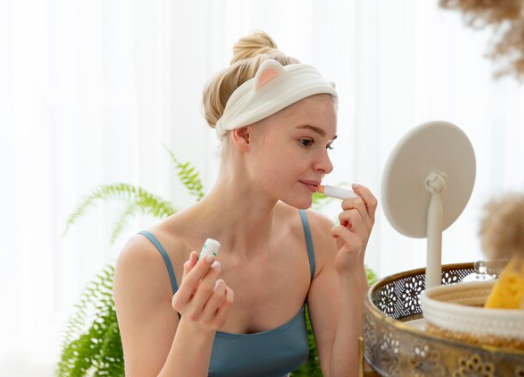
In today’s fast-paced world, self-care and stress management are more important than ever. One of the most effective ways to combine relaxation with skin health is through facesitting techniques—a form of facial treatment and mindfulness exercise often used in spas and wellness centers. While it may sound unusual at first, the concept focuses on dedicated facial sessions where the skin and muscles of the face receive attention and care, improving circulation, reducing tension, and enhancing overall skin glow. This guide will explore the benefits of facesitting, practical ways to integrate it into your daily routine, and tips for maximizing relaxation and rejuvenation, ensuring both mental and physical wellness.
1. What Is Facesitting in Skincare?
Facesitting, in a wellness context, refers to taking time to allow the face to rest, absorb treatments, and benefit from massage or other spa techniques. Unlike rushed routines, facesitting emphasizes deliberate attention to the face—applying masks, serums, or gentle massages in a relaxed, seated position. This approach not only nourishes the skin but also reduces tension in facial muscles, which can minimize wrinkles, improve circulation, and enhance overall skin tone.
2. Benefits of Facesitting for Skin and Wellness
Regular facesitting sessions can provide numerous benefits:
-
Improved Circulation: Gentle pressure and massage stimulate blood flow, delivering oxygen and nutrients to skin cells.
-
Stress Relief: Sitting calmly while caring for your face can reduce cortisol levels and promote mental relaxation.
-
Enhanced Product Absorption: Skincare products penetrate more effectively when skin is properly relaxed and prepped.
-
Reduction of Tension Lines: Targeted facial massages can relax muscles, reducing the appearance of fine lines caused by stress or habitual expressions.
3. Facesitting Techniques You Can Try at Home
You don’t need a spa to benefit from facesitting. Simple techniques include:
-
Seated Facial Massage: Sit upright, apply a moisturizer or serum, and gently massage the face using upward strokes from chin to forehead.
-
Mask Relaxation Sessions: Apply a hydrating or detoxifying mask and spend 15–20 minutes in a calm, seated position, focusing on deep breathing.
-
Facial Yoga: While seated, practice gentle stretches and movements that relax facial muscles and stimulate circulation.
4. Tips for Maximum Benefits
To get the most from facesitting sessions:
-
Dedicate at least 20–30 minutes per session for full relaxation.
-
Use natural, high-quality skincare products suited to your skin type.
-
Maintain good posture while seated to prevent tension in the neck and shoulders.
-
Combine with hydration and a balanced diet for holistic skin health.
5. Mental Health and Relaxation Advantages
Facesitting is as much about mental wellness as physical skincare. By creating a quiet, focused session for yourself, you can practice mindfulness, reduce anxiety, and enjoy a meditative break from daily stress. The combination of gentle facial touch, calm breathing, and seated focus allows your body and mind to recharge, promoting overall wellness and a sense of rejuvenation.
Conclusion:
Facesitting is a powerful practice that merges skincare, self-care, and relaxation into a single holistic routine. By dedicating time to your facial wellness through seated treatments and mindful attention, you can improve circulation, reduce stress, and enjoy a natural glow. Incorporating facesitting into your self-care routine—whether at home or in a professional spa—offers both physical and mental benefits, making it a simple yet impactful addition to a healthy lifestyle.
FAQ Section
Q1: How often should I do facesitting sessions?
A: 2–3 times per week is ideal for visible skin and relaxation benefits, though even short daily sessions can help reduce tension and improve circulation.
Q2: Can I practice facesitting at home?
A: Absolutely. By setting up a calm environment and using simple massage techniques or masks, you can safely enjoy the benefits at home.
Q3: How long should a facesitting session last?
A: 20–30 minutes is ideal for both relaxation and allowing skincare products to absorb fully.
Q4: What products work best during facesitting?
A: Hydrating masks, serums, and gentle moisturizers suitable for your skin type are recommended. Avoid harsh products during relaxation sessions.
Q5: Is facesitting suitable for all skin types?
A: Yes, with the right products and techniques, facesitting can benefit dry, oily, sensitive, or combination skin types.
