
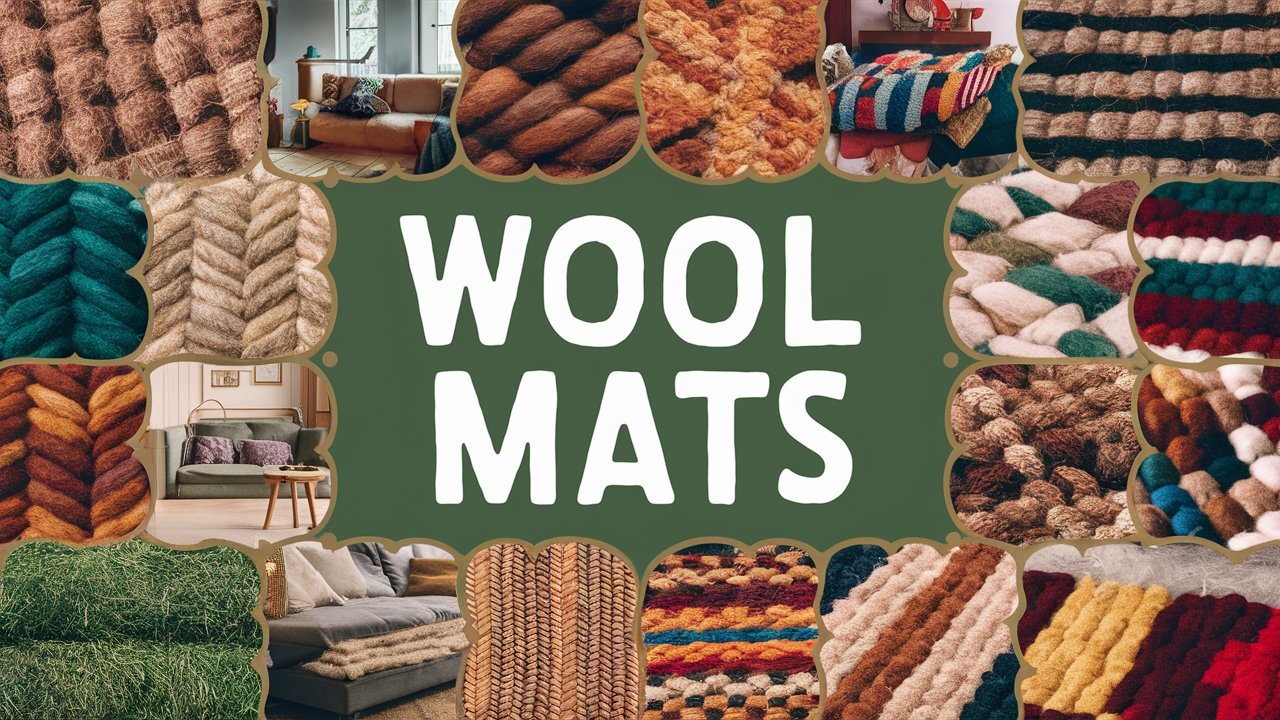
Wollmatten, or wool mats, have become an increasingly essential material across construction, interior design, packaging, and ecological applications. As sustainability takes center stage globally, natural fibers such as wool have re-emerged as premium solutions in areas where synthetic alternatives have dominated. With exceptional thermal properties, impressive moisture regulation, and eco-friendly characteristics, high-quality Wollmatten serve as unmatched resources for both residential and commercial environments.
In this comprehensive guide, we explore the full scope of Wollmatten—what they are, how they are used, and why they are now preferred across industries. We provide detailed insights into their benefits, various types, practical uses, and essential buying considerations to help consumers and businesses make well-informed decisions.
What Are Wollmatten?
Wollmatten are thick, dense mats made from natural sheep wool, designed for insulation, cushioning, acoustic control, and temperature regulation. These mats are manufactured through a combination of felted or needle-punched wool fibers, creating a durable, flexible material that retains its structure even under heavy use. Unlike synthetic mats, wool mats are biodegradable, renewable, and naturally resistant to fire and pests, making them ideal for eco-conscious projects.
Benefits of Using Wollmatten
1. Exceptional Thermal Insulation
One of the most remarkable qualities of wool mats is their high thermal insulation capacity. The natural crimp of wool fibers traps air effectively, creating an insulating barrier that prevents heat loss during cold seasons and limits heat penetration in warmer climates. This makes Wollmatten suitable for:
-
Home insulation
-
Vehicle and campervan insulation
-
Garden houses and sheds
-
Industrial and agricultural buildings
The natural insulation helps maintain a comfortable environment while reducing energy consumption and long-term utility expenses.
2. Superior Acoustic Absorption
Noise reduction is another major strength of Wollmatten. Their dense fiber structure absorbs sound waves, minimizing echo and noise transmission between rooms. These mats are widely used in:
-
Music studios
-
Office buildings
-
Home theaters
-
Apartment walls and ceilings
This acoustic advantage makes them a preferred choice in sound-sensitive environments.
3. Moisture Regulation and Breathability
Wool fibers naturally absorb and release moisture without feeling wet. Wollmatten can hold up to 30% of their weight in moisture without compromising insulating properties. This makes them ideal for:
-
Damp climates
-
Basements and cellar insulation
-
Wooden structures requiring natural ventilation
Unlike synthetic materials, they do not trap humidity, reducing the risk of mold and mildew formation.
4. Natural Fire Resistance
Wool is inherently flame-resistant, thanks to its high nitrogen and water content. It does not melt, drip, or release toxic fumes when exposed to heat. This natural fire safety advantage adds an essential protective layer in homes and industrial settings.
5. Eco-Friendly and Sustainable Material
Wollmatten stand out as a completely natural, renewable, and biodegradable option. Sheep wool grows back every year, and the mats can be fully recycled at the end of their lifecycle. They reduce the environmental footprint of insulation and packaging applications, making them aligned with modern sustainability goals.
Types of Wollmatten
1. Felted Wool Mats
Made through the felting process, these mats are dense and durable, ideal for insulation, craft projects, and decorative uses.
2. Needle-Punched Wool Mats
Produced using mechanical needle punching, these mats offer increased flexibility and are commonly used in acoustic and thermal insulation.
3. Wool-Geotextile Mats
Used in landscaping and agriculture, these mats promote soil stability, plant growth, and erosion control.
4. Wool Packaging Mats
Eco-friendly packaging mats made of wool provide excellent cushioning for fragile goods, replacing harmful foam plastics.
Applications of Wollmatten
1. Building and Home Insulation
Wollmatten are widely used in walls, roofs, floors, and attics. They contribute to better air quality by absorbing pollutants—a natural characteristic of wool that enhances overall indoor comfort.
2. Acoustic Treatment
Musicians, content creators, and studios rely on wool mats for superior sound dampening. Their natural structure outperforms many synthetic acoustic panels.
3. Interior Design and Furniture
Wool mats are used in:
-
Rugs
-
Wall panels
-
Upholstery padding
-
Workspace partitions
Their aesthetic appeal and comfort make them highly desirable in design projects.
4. Agriculture and Gardening
Wool mat geotextiles prevent soil erosion, retain moisture around plant roots, and act as natural weed barriers.
5. Packaging and Shipping
Wool mats provide eco-friendly cushioning and insulation for temperature-sensitive goods such as food, beverages, and fragile products.
How Wollmatten Are Made
Producing high-quality Wollmatten involves several steps:
-
Shearing and Cleaning: Wool is collected and thoroughly washed to remove lanolin and impurities.
-
Carding: Fibers are aligned and prepared for mat formation.
-
Felting or Needle Punching: Fibers are condensed mechanically or via moisture and heat.
-
Pressing and Finishing: The mats are shaped into various thicknesses and densities according to their intended application.
This manufacturing process preserves the natural characteristics of the wool while ensuring durability and functionality.
Key Factors When Choosing Wollmatten
1. Thickness and Density
Thicker and denser mats offer superior insulation and acoustic performance. The ideal choice depends on the application.
2. Wool Quality
High-grade wool ensures better durability, moisture regulation, and fire resistance.
3. Environmental Certifications
Look for eco-labels that verify sustainable sourcing and manufacturing processes.
4. Intended Use
Different projects require different types of wool mats—understanding the specific application ensures optimal results.
Maintenance and Care Tips
Wollmatten are low-maintenance, but simple steps can extend their lifespan:
-
Vacuum regularly to remove dust.
-
Avoid prolonged exposure to direct moisture.
-
Use natural wool-safe detergents when cleaning.
-
Ensure proper ventilation in enclosed spaces.
Their natural resilience makes them long-lasting even with minimal care.
Conclusion
Wollmatten provide a uniquely powerful combination of insulation, sustainability, comfort, and versatility. From eco-friendly construction to acoustic optimization and agricultural applications, these wool mats deliver performance that synthetic alternatives cannot match. Choosing Wollmatten means investing in durability, well-being, and environmental responsibility. As the world continues to move toward greener solutions, wool mats stand out as a timeless, natural, and effective resource for countless industries.
FAQ
1. Are Wollmatten safe for people with allergies?
Yes. Wool is naturally hypoallergenic and resistant to dust mites, making it safe for most allergy sufferers.
2. How long do wool mats last?
With proper care, high-quality Wollmatten can last several decades.
3. Can they be used in damp areas?
Yes. Their moisture-regulating properties make them well-suited for humid environments.
4. Are Wollmatten more expensive than synthetic alternatives?
They may cost more initially, but their longevity, sustainability, and performance provide long-term savings.
